Blogs:
Restoration of our on-
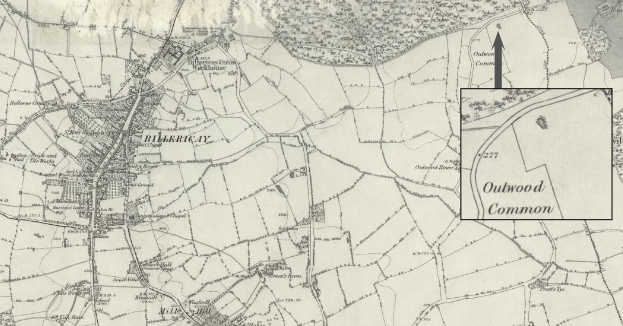
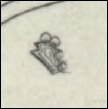
The pond first appears on mapping from 1881, following surveys undertaken between 1866 and 1874, at a time when the land was used for livestock farming. It is likely that the pond was created as a watering place for animals and may have formed part of the wider farming activity associated with Tylde Hall or Outwood Farm.
By the mid-
Without ongoing management, the pond was gradually reclaimed by nature, its original purpose fading as vegetation encroached and water levels diminished over time.
When we first viewed the land in 2018, it was clear that the pond was in need of some care and attention. Since 2020, prior to establishing the vineyard, we have monitored it closely to better understand its condition and potential.
Over this time, the pond has been surveyed by a number of independent ecologists. Their findings confirmed that, in its current state, it provides very limited ecological value and is not considered suitable habitat for protected species, including great crested newts.
🌿 What we are doing and why
We are now taking the opportunity to restore the pond as part of our wider commitment to biodiversity and land stewardship at Woodvalley.
The aim is to re-
Rather than allowing the pond to continue declining, this restoration work will bring it back into active management, ensuring it can once again play a meaningful role within the landscape.
🌿 April 2026 -
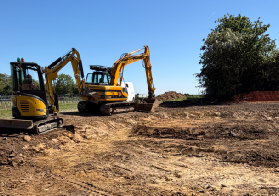
Works began on site with local groundworking company WJ Bleach & Sons. The area had been monitored for a few weeks to determine if any breeding sites were located. The site was reviewed by ecologists on 10 April and again by our Ecological Clerk of Works (ECoW) on 15 April. These visits confirmed that works could proceed with appropriate caution, with particular care taken to retain suitable habitat and avoid disturbance to wildlife during the nesting season.
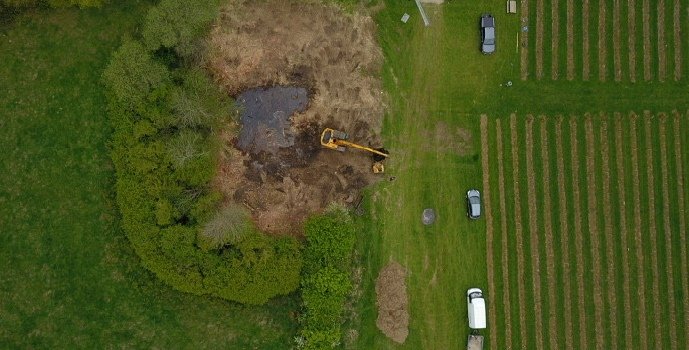
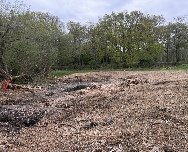
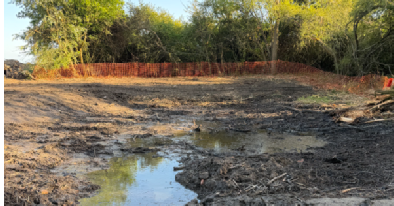
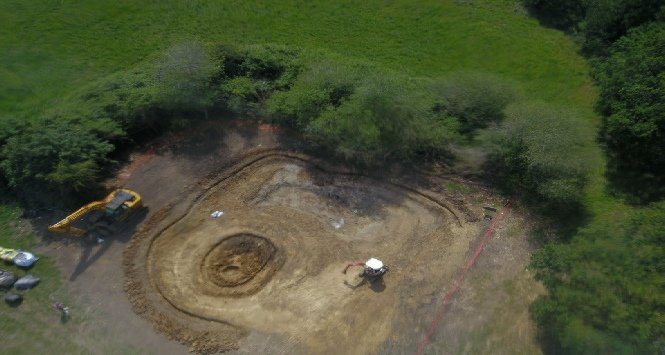
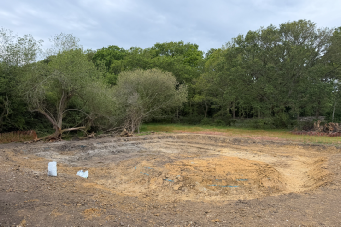
The above photos taken in March 2026 show how the pond had deteriorated through the last century, the original pond dominated by dead trees, brambles and nettles with a few self-
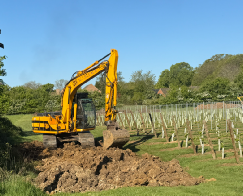
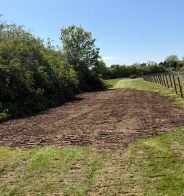
All smaller tree debris was piled up and mulched (shown at the bottom of the drone image above). As we said, nothing leaves our site and this mulch is now spread throughout the base of the vines helping to retain moisture for our younger ones. Soil for the excavation was split into grades and used to infil a large dip at the back of the vines, and the better soil is being spread out around the vineyard or will be used in the pond planting areas.
🌿 May 2026 -
The pond concept was to create a wildlife sanctuary using the German “natural swimming pond” technique, a method being widely used around the world. Whilst we have never intended for it to be used by humans, the concept creates living ecosystems using plants and gravel filtration which work together to naturally keep water clean without any harsh chemicals, clean enough for humans to swim in. By covering at least 50% of the pond with plants set at different depth zones the water circulates breaking down organic matter, absorbing nutrients and filtering sediment. This prevents algae growth and helps to keep the water clear.
As excavation works took place, we tweaked our overall design on a daily if not hourly basis, working with the landscape as it unfolded We originally intended to double the original water surface area but by the end of the week, we had created a pond that will be over FIVE times the original size, covering an area of about 20m x 20m! Thats going to be a lot of rocks and plants!
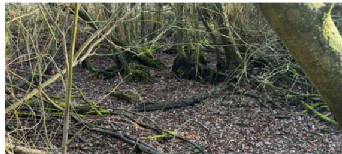
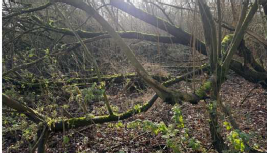
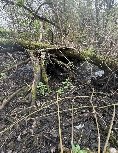
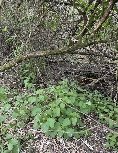
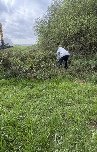
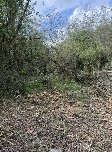
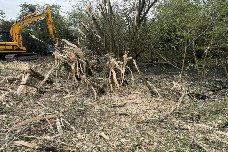
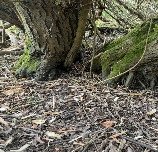
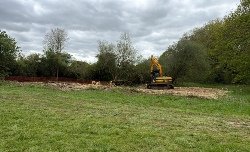
We started with the careful and selective removal of outer scrub to open up the pond area, mainly the low level vegetation that had formed on the old ditch spoils last year, then checked each tree on the outer edges for signs of life. As envisaged, there were no areas for concern so each tree was cut and removed one by one. Before starting work on the next area, every nook and cranny was photographed and checked to make sure we could proceed.
All larger branches and the huge tree roots were placed under the oak trees to dry out and they will be used to create new mammal homes around the pond and in the wildflower meadow. We have a strict rule at Woodvalley: NOTHING LEAVES THIS SITE (except our wine of course 😂), so all parts of the trees and mud are being used throughout the 20 acre site.
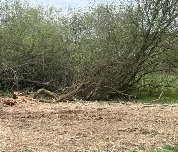
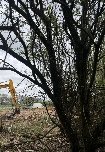
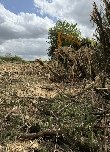
Very slowly the original pond shape began to re-
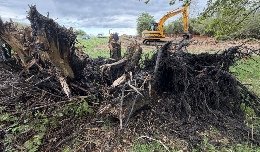
With a clear site we can now begin to transform this pond and provide a 5-
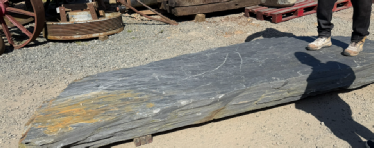
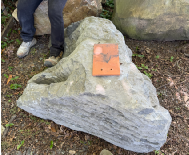
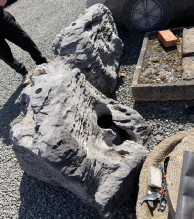
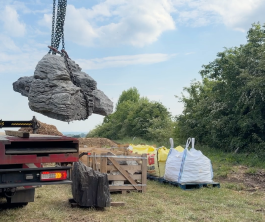
When you need a lot of natural rocks and stones there is only one place to go -
The final design features an island which will need to be accessed by a bridge, so we chose a 3m long slate “slab” that weighs a couple of tonnes. To cover the edges of the pond and steps we selected several crates of boulders and pebbles that we can arrange thoughout the shallow water areas and plants.
🌿 June 2026 -
We have chosen Butyl Products for the pond liner, Billericay-
With an island larger than most living rooms (6m x 6m) we decided that we needed a grand centre piece. After a month or two of buying specimen plants from local nurseries, we turned to large tree experts Majestic Trees from St. Albans. As it would be easier to plant our tree before the liner is fitted, they were extremely accommodating and delivered our chosen tree within a couple of days.
As part of the next phase, Butyl are fitting an overflow drain which will link to the vineyard’s underground rainwater harvesting tanks.
A truly sustainable project in every sense!
Stay tuned for our next update as the pond liner is installed and the planting can begin!
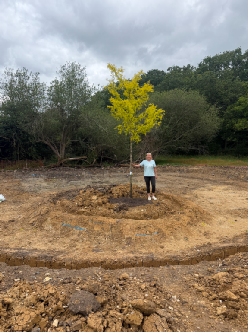
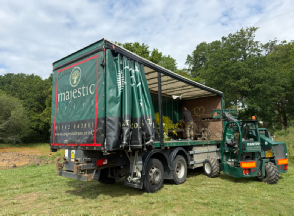
So meet Victoria.
At 5m tall she is a Gleditsia Sunburst, a stunning lime green tree with soft rustling leaves that will grow upwards and outwards over the next few years and create a beautiful focal point as we change the surrounding landscape this year.
The colour is stunning and as the sun moves through the sky behind her every day it will light up her canopy for everyone. She will be a lovely contrast to the avenue of trees we will be installing later this year too.
Why Victoria? Well, she is so majestic, and a very fitting name for our Victorian pond transformation!