English Wines -
There was a time when “English wine” usually raised an eyebrow or two — polite smiles, brave sips and kind words about “potential”. But those days are now long gone. Over the past two decades, English vineyards have quietly bloomed to become one of the most exciting wine regions in the world — and we’re now producing wines that rival (and sometimes beat) the best in the world. From the rolling chalk of Sussex to the sun-
So how did we get here? Let’s uncork the story. 🍾
🌿 A Brief History of English Wine
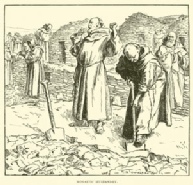
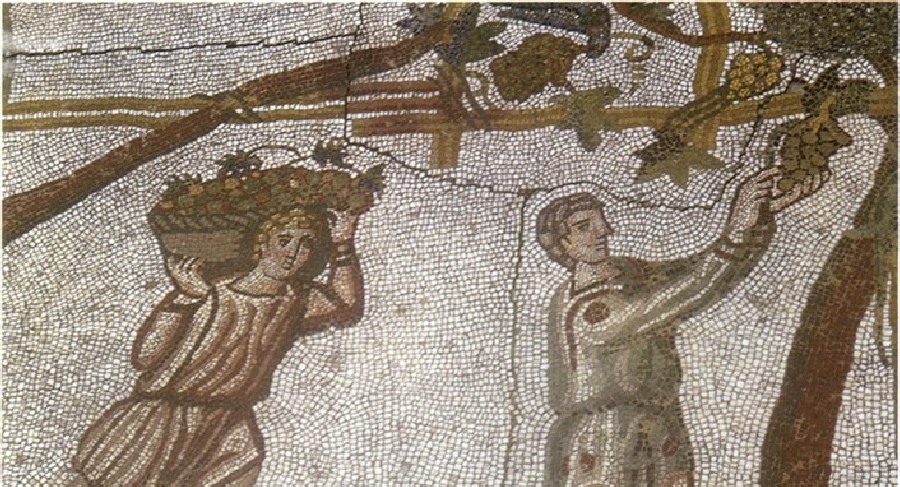
Wine has actually been made in England for centuries — the Romans planted vines here, and medieval monasteries produced wine for the church. But our modern industry only really took off in the 1970s when a new generation began experimenting with cool-
At first, the results were… well, earnest rather than elegant. But over time, our climate, soils, and skills aligned — and everything changed.
☀️ The Sparkling Revolution
The real turning point came in the 1990s when winemakers realised our chalky soils and mild summers in parts of southern England were remarkably similar to northern France and in particular the Champagne region. That meant one thing: sparkling wine.
Today, over two-
🍷 Beyond the Bubbles
While sparkling wine put us on the map, English still wines are having their moment too. Chardonnay and Pinot Noir are showing incredible elegance and freshness. Bacchus, a crisp aromatic white, has become England’s answer to Sauvignon Blanc — full of hedgerow, elderflower, and gooseberry notes. Rosés are thriving, too — delicate, dry, and very drinkable (especially in Essex sunshine) with blends of Pinot Noir and Chardonnay. Watch this space for our debut Rosé coming to Billericay in May 2026!
🌱 Small Producers, Big Passion
What makes English wine truly special is the people behind it. Our vineyards are mostly small, family-
Every bottle has a story — of weather, soil, community, and care.
🌦️ A Changing Climate
It’s no secret that climate change has played a role in our rise. Warmer, longer summers mean grapes now ripen more consistently across southern England — while cool nights preserve acidity, giving that signature English freshness.
Far from being a trend, English wine has become a marker of how our landscape is evolving — and how we’re learning to work with nature, not against it.
✨ A Final Sip
Read our Blog “The Only Way is Essex” to see how your local vineyards are gaining international recognition
✨ The Future Looks Bright (and Sparkling)
From Kent to Cornwall, from Sussex to Essex, there’s a sense of optimism in every vineyard. England now has over 900 vineyards and 200 wineries — and we’re just getting started. Racking up a host of trophies and medals year on year at the international sparkling championships, England won a total of 15 gold medals at the 2025 International Wine Challenge (IWC) competition, with Nyetimber taking the gold medal for both Best Winemaker and Best Sparkling Wine.
There’s something beautifully poetic about drinking wine grown just a few miles from home. You can walk the same soil, feel the same breeze, and then taste it in the glass. That connection — from landscape to label — is what English wine is all about.
So next time you pour a glass, take a moment to appreciate how far we’ve come.
From Roman roots to regenerative vineyards, from “experimental” to exceptional — English wine isn’t a trend. It’s a renaissance.